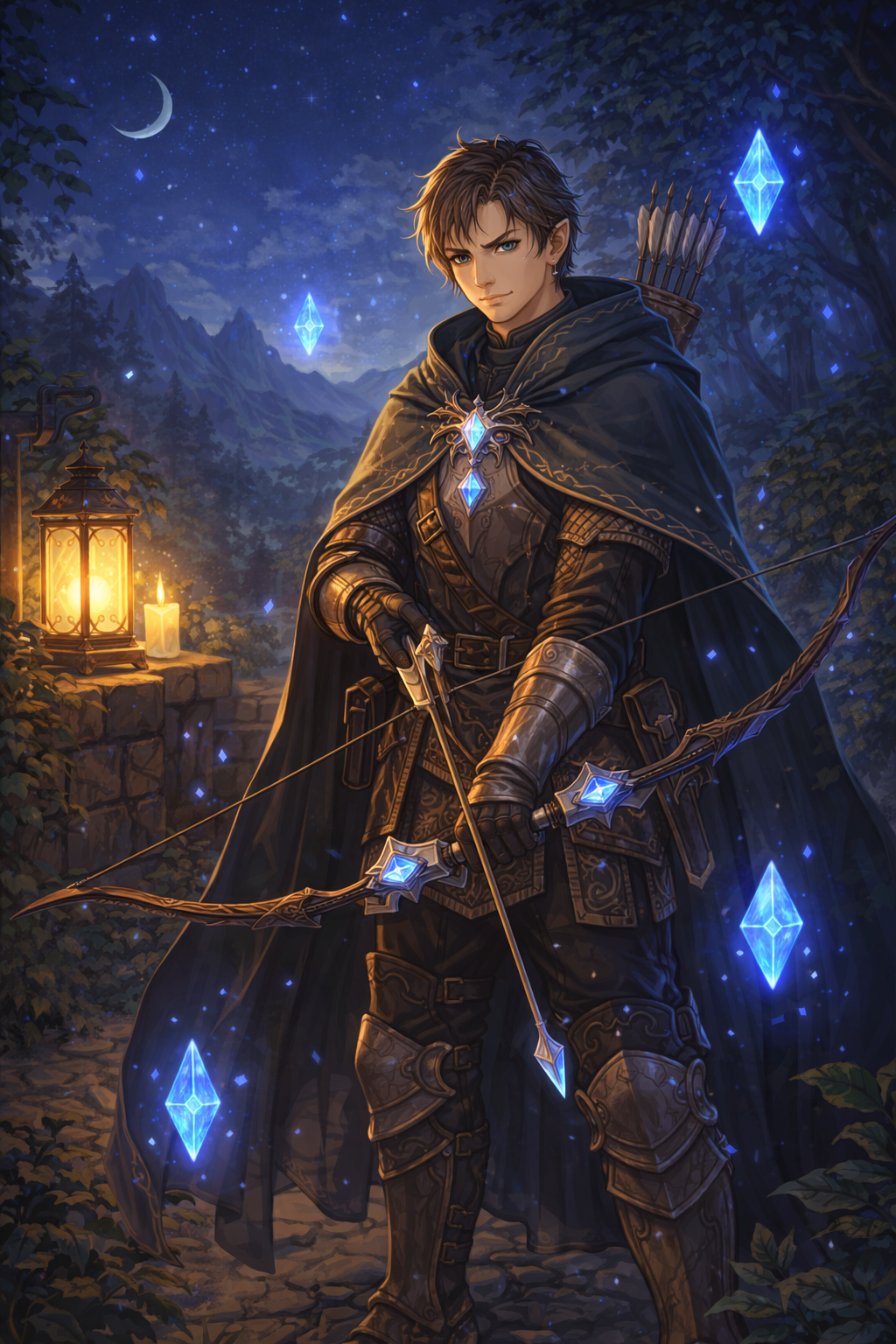

Modern games often move quickly.
Objectives appear constantly. Maps are filled with icons. Notifications compete for your attention. The experience can start to feel less like an adventure and more like a checklist.
But RPGs particularly slower, story-driven ones offer something different. They create space. And in that space, something interesting happens: our attention begins to settle.
The Value of Slower Games
When we move quickly between tasks, apps, and screens, our brains rarely get the chance to fully engage with what we’re doing.
Researchers studying the effects of heavy digital consumption have raised concerns about what some describe as “digital dementia” the idea that constant digital stimulation can weaken attention, memory, and deep focus.
Whether or not the term itself becomes widely accepted, the underlying concern is real:
our minds struggle when we constantly divide our attention. This is where slower games can become surprisingly valuable.
Turn-based RPGs, exploration-focused worlds, and narrative-heavy adventures naturally encourage a different rhythm of play. Instead of reacting instantly, you pause. You think. You consider your next move. This is what keeps you engaged.
Attention Through Adventure
In many RPGs, combat itself becomes a small moment of focus.
Turn-based systems give you a brief window to observe the situation, plan your next action, and execute it deliberately. There’s no pressure to react instantly only the quiet satisfaction of making the right choice.
Outside of combat, exploration works in a similar way. Walking through a quiet town, talking to villagers, or wandering across a world map creates a gentle pace that contrasts sharply with the constant stimulation of modern digital life. These moments may seem simple, but they create small pockets of calm attention. Over time this adds up.
The Ritual of Playing Slowly
One of the most powerful parts of mindful play is simply treating gaming as a ritual rather than a distraction.
Instead of jumping between games, apps, and notifications, you sit down with a single world and allow yourself to remain there for a while.
That means:
No rushing.
No multitasking.
Just exploration.
RPGs are particularly suited to this kind of experience because they are built around long journeys rather than quick bursts of action. Progress happens gradually and that sense of discovery grows over time.
A Different Way to Think About Gaming
Gaming is often discussed in extremes either as pure entertainment or as something potentially harmful.
But there’s another perspective worth considering. When approached intentionally, certain games can become a tool for practicing focus, patience, and presence. They can remind us what it feels like to concentrate on one thing at a time. To move slowly through a world and pay attention to all the details around in the world. Perhaps that’s one of the quiet strengths of RPGs: they invite us to slow down, to explore every little area, check every pot, barrel, chest. Is there a hidden item behind a waterfall? All of these little interactions and rewards encourage exploration and within that you slow down and immerse yourself.
Mindful Play Reflection
If you’re looking for a calmer gaming experience this week, try this simple approach:
Choose one RPG:
Play for 30–60 minutes.
Turn off notifications and allow yourself to stay fully within that world. You may be surprised how different the experience feels when nothing else is competing for your attention.
Mana Mode. Play Gently